
Wallpaper Selection and Application Essentials
Choosing the right wallpaper begins with material, pattern scale and how light interacts with colour. For high-traffic living spaces and hallways, non-woven and washable vinyl-backed papers deliver durability and easy maintenance. For bedrooms and formal rooms, natural grasscloth, silk-backed vinyl and textured papers add depth but require careful handling and professional trimming. Peel-and-stick products suit short-term projects and rentals because they allow fast installation and removal without solvent strippers. Consider finishes: matte reflects less light and hides imperfections; satin or slight sheen enhances depth in low-light rooms; metallics enlarge perceived space but show seams more readily.
Pattern scale must relate to room dimensions and furniture. Large repeats (over 64 cm) suit grand rooms with high ceilings. Medium repeats (30–60 cm) work for standard living rooms and bedrooms. Small repeats below 30 cm are ideal for furniture-backed walls and smaller enclosures. Lighting shifts colour perception: north-facing rooms benefit from warm pigments and higher chroma to avoid dullness; south-facing rooms can handle cooler hues and darker contrast. Match wallpaper function to usage: wipeable classifications for kitchens, steam-rated or vinyl for bathrooms, and breathable, natural options for heritage properties to avoid trapping moisture.
Environmental performance matters: choose low-VOC adhesives and papers carrying certifications such as EU Ecolabel, FSC for paper backing, or Greenguard for low emissions. Many UK retailers now publish product sheets showing VOC emissions and washability class. For long-term indoor air quality, pair low-VOC paste with a breathable wall primer.
Prep Work Before Wallpapering
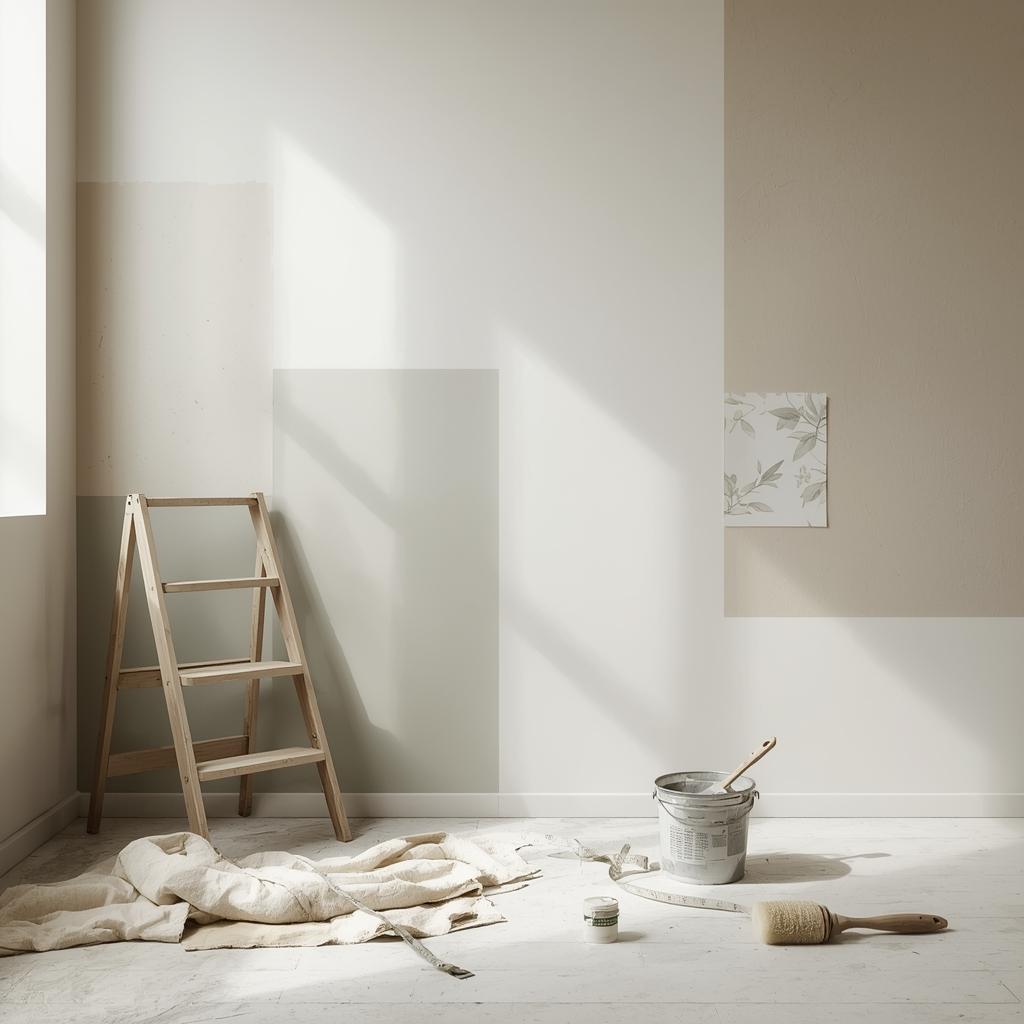
Thorough preparation determines whether wallpaper lasts decades or fails within months. Begin with a wall inspection: identify hairline cracks, plaster blowholes, efflorescence or areas of past damp. Remove old loose coverings and check timber framing around windows for movement. Small defects should be filled with a setting filler; larger damage may require plaster skim. All repairs must be fully dry before priming.
Priming and smoothing establish adhesion. Use a proprietary lining primer or primer-sealer compatible with the chosen paper. For new plaster allow 6–8 weeks to carbonate and dry; use a breathable primer on lime-based surfaces. Measure walls height and circumference and calculate roll needs by factoring pattern repeat and match type. A typical 10 m roll at 52 cm width covers approximately 5.2 m²; with a 64 cm repeat expect 15–20% wastage for match; with random match, estimate 5–10% waste. Essential tools include a pasting brush or roller, seam roller, sharp trimming knife, plumb line, smoothing brush, spirit level and a good ladder. For heavier materials, a pair of hands will speed alignment.
- Tools and supplies checklist: paste or pre-pasted adhesive suited to paper, table for pasting, smoothing brush, seam roller, utility knife with extra blades, measuring tape, spirit level, lining paper where needed, primer and filler.
Styles, Trends and Practical Room Ideas

Floral and botanical motifs now trend toward oversized, painterly sprays or restrained monochrome vines for adult bedrooms. Geometric repeats in muted palettes perform well in home offices where rhythm supports focus. Textured grasscloth and woven effects add tactile warmth in living rooms but are poor choices for kitchens. Vintage and retro patterns from the 1960s and 1970s have been reinterpreted with contemporary colours. Murals and large-format photographic panels create dramatic focal walls when scaled correctly.
Below is a comparative summary of common materials with price and suitability indicators to inform choices before ordering swatches.
| Material | Typical UK price per 10 m roll (GBP) | Moisture tolerance | Durability / cleaning | Best use |
|---|---|---|---|---|
| Vinyl smooth / washable | £12–£30 | High for wipeable variants | Very durable, washable | Kitchens, hallways, children’s rooms |
| Non-woven (paste-the-wall) | £20–£45 | Moderate | Dimensionally stable, steam tolerant | Living rooms, bedrooms, professional installs |
| Grasscloth / natural fibre | £60–£180 | Low | Dust-attracting, spot clean only | Formal rooms, feature walls |
| Peel-and-stick (removable) | £25–£65 | Low to moderate | Good for short-term, removable | Rentals, rental staging, temporary features |
| Textured vinyl / vinyl-backed | £30–£90 | High | Durable, easy to clean | Bathrooms with good ventilation, utility areas |
Patterns and finishes should be selected with furniture and flooring tones in mind. Warm oak and honey-toned flooring pair best with olive, terracotta and muted golds. Cool greys and slate tiles complement blue-greens and soft charcoals. For open-plan areas use a consistent tonal thread to maintain flow: repeat an accent colour across wallcoverings, soft furnishings and a rug.
Application Techniques, Troubleshooting and When to Hire Pros
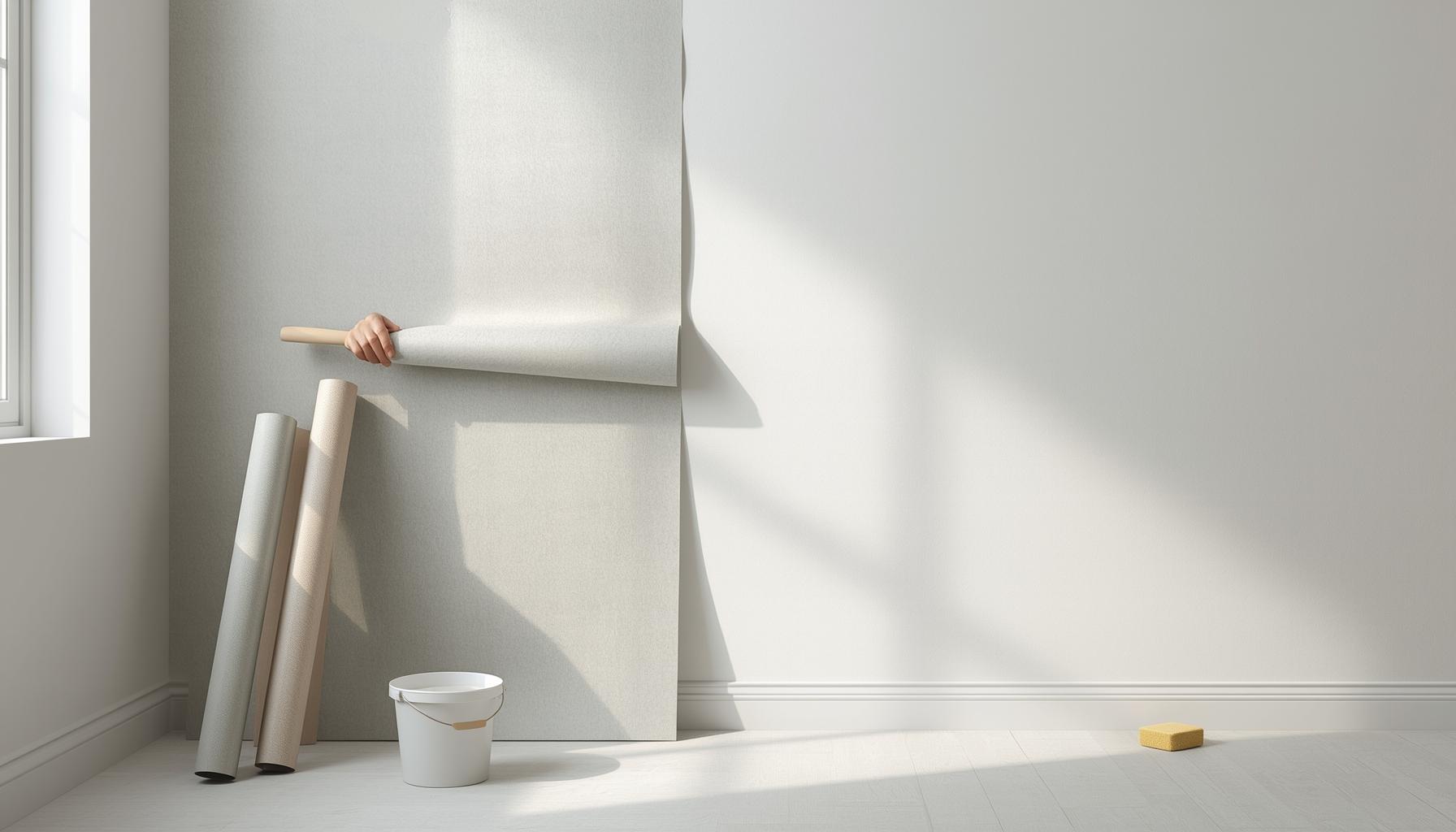
Two main hanging methods exist: paste-the-wall, where adhesive is applied directly to the prepared substrate, and paste-the-paper, where adhesive is applied onto the paper strips. Paste-the-wall is faster and cleaner for most non-woven products; paste-the-paper remains standard for traditional papers. Critical skills include accurate vertical alignment with a plumb line, careful pattern matching at seams, trimming around sockets and switch plates, and using seam rollers without compressing prints.
Common problems: trapped bubbles require lifting the seam slightly and smoothing outward; lifted corners often signal insufficient paste or movement from temperature changes; persistent peeling near wet areas suggests wrong product choice. For bathrooms or steam rooms use specialist vinyls and consult manufacturer installation notes.
Consider professional installers for large-format murals, delicate natural fibres, high ceilings, or listed properties. Professional services reduce waste, ensure accurate pattern matching and provide guarantees. A Paint Pot Ladies installation typically includes site survey, sample trial hanging, surface preparation, supply and fit, and a short follow-up inspection. Compare estimates by asking for breakdowns of prep time, materials and guarantees.
Buying, Maintenance and Services

Order samples before committing and hang swatches on different walls to view in morning and evening light. Confirm pattern repeat and calculate waste; request a shade-banding guarantee for larger orders. Clean washable wallpapers with a soft cloth and mild detergent; avoid abrasive scouring. Small tears can often be repaired with clear adhesive beneath the lifted area and a seam roller to reseal.
Paint Pot Ladies provides consultation, sampling visits and combined painting and wallpapering packages. Services include moisture surveys, priming, specialist product sourcing and maintenance plans. For rental or staging projects, removable products and professional removal reduce tenancy risk and speed turnover. Book a site survey early in renovation timelines because proper drying and preparation can add days to schedules.


